How to Choose the Right Orthotic Brace for Older Adults: A Practical Guide to Fit, Comfort, and Ease of Use

Nearly half of adults over 65 live with some form of arthritis, and a significant number also manage chronic joint pain in multiple areas simultaneously. For many of them, wearing a brace is not optional. It is part of daily life. But the standard advice around orthotic braces, including which ones to buy and how to fit them, rarely accounts for the very real physical changes that come with aging.
Skin that tears more easily. Hands that can no longer pull a strap tight. Fingers that struggle with hook-and-loop closures first thing in the morning. These are not minor inconveniences. They directly affect whether someone can actually use a brace properly, and whether it helps or causes harm.
This guide is written for older adults and the caregivers who support them. It covers the physiological reasons why standard braces can be problematic for seniors, and what to look for when choosing one that genuinely works.
Why Aging Changes Everything About Wearing a Brace
Understanding the body changes involved is the starting point. Without that context, brace recommendations are just guesswork.
Skin Fragility and Pressure Sensitivity
As the body ages, the skin loses collagen and elasticity. The outer layer thins, subcutaneous fat decreases, and the skin becomes far more vulnerable to friction, pressure, and shear forces. According to dermatology literature, skin tears are among the most common wounds in adults over 70, and a poorly fitted brace can be a direct cause.
Rigid plastic shells, abrasive stitching along inner seams, and braces that dig into bony prominences, like the ulnar styloid at the wrist or the lateral malleolus at the ankle, can cause skin breakdown within hours of wear. For someone on blood thinners or with reduced sensation, this can escalate quickly.
Reduced Grip Strength and Dexterity
Peak grip strength typically declines from around age 50 onward. For someone with rheumatoid arthritis or osteoarthritis in the hands, this decline is often steeper and accompanied by morning stiffness that can last well into the day.
The practical impact is straightforward. Many orthotic braces rely on the user pulling straps tight, threading velcro, or manipulating small buckles. For someone with reduced grip or limited finger flexion, this is not just inconvenient. It can mean the brace goes on incorrectly, is worn too loosely, or is not worn at all.
Swelling Patterns in Older Joints
Joint swelling in older adults, particularly in arthritic conditions, tends to fluctuate throughout the day. Fingers and wrists are often more swollen in the morning and may reduce in size by midday. A brace fitted in the afternoon may feel uncomfortably tight the following morning, and this inconsistency makes static compression problematic.
What to Look for in a Brace Designed for Older Adults
Not every brace on the market is built with these realities in mind. These are the features that genuinely make a difference.
Simpler Fastening Systems
The fastening system is often the single biggest barrier to consistent brace use among seniors. Look for:
- Wide velcro straps with large pull tabs or loop handles that can be gripped with the palm rather than the fingertips
- Single-strap designs that do not require threading or multi-step adjustment
- Pre-formed anatomical shapes that simply slide on, eliminating the need for any fastening at all
- D-ring or figure-of-eight straps that can be tightened with one hand if the other has reduced function
The Push MetaGrip Thumb CMC Brace is a useful example here. It is designed specifically for thumb carpometacarpal osteoarthritis, one of the most common and debilitating arthritic conditions in older adults, and it uses a slip-on design that does not require fiddly adjustments. For someone with limited thumb and finger function, that distinction matters enormously.
Soft, Skin-Friendly Materials
Rigid thermoplastic shells have their place in acute injury management, but for daily wear in older adults, they are often inappropriate. Softer materials provide better compliance, reduce pressure point risk, and are generally more tolerable across varying levels of edema.
Breathable knit fabrics, medical-grade silicone inserts, and padded edges around bony areas all reduce the risk of skin irritation. When evaluating a brace, check:
- Whether the inner lining is smooth and free of exposed seams
- Whether rigid components are positioned away from known pressure points
- Whether the material allows airflow to reduce moisture buildup
Moisture trapped against aging skin increases maceration risk and can accelerate skin breakdown, particularly in warm environments or during light activity.
Graduated and Adjustable Compression
Compression is essential for joint stability and swelling management, but the level needs to be appropriate. Too much compression on fragile skin or fluctuating swelling causes pain and potential tissue damage. Too little provides no functional benefit.
The ideal brace for an older adult offers adjustable compression, either through strap tension, sizing options, or graduated knit construction. For knee and ankle support in particular, where swelling tends to be more pronounced and variable, this adjustability is not a luxury. It is a clinical necessity.
Matching the Brace to the Joint and Condition
Different joints present different challenges in older adults. Here is a practical breakdown.
Wrist and Hand Braces
Wrist pain from osteoarthritis, carpal tunnel syndrome, or post-fracture instability is extremely common in older adults. A wrist brace needs to stabilize without compressing the thenar eminence excessively or pressing on the dorsal tendons.
For moderate wrist instability with associated thumb pain, the WriStable Wrist Brace provides anatomically shaped support that allows functional movement, which means it does not immobilize the hand entirely. For someone still trying to manage daily tasks like cooking or writing, full immobilization is often counterproductive.
Knee Braces
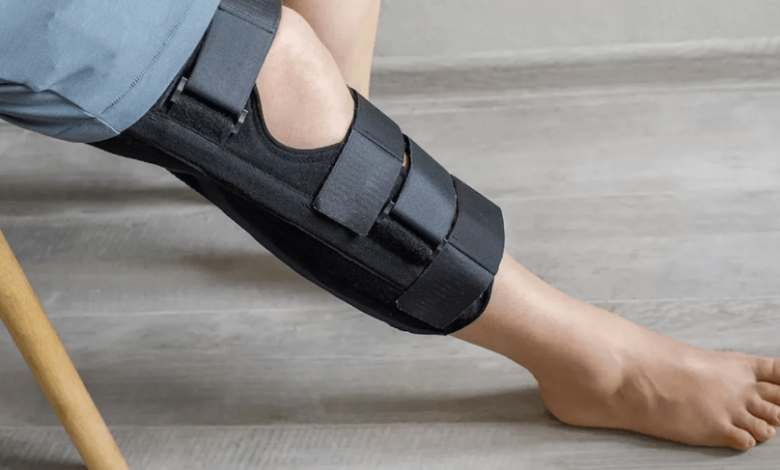
Knee osteoarthritis affects roughly one in four adults over 55. The key challenge with knee braces in seniors is fit across varying thigh and calf circumferences, which change with muscle atrophy and age-related fat redistribution.
Lightweight options like the Push Care Knee Brace offer patellofemoral support without excessive bulk. They are easier to don and doff than hinged braces, which often require significant hand strength to operate. For moderate instability rather than severe ligament involvement, they are frequently the more practical choice.
Ankle Braces
Falls are the leading cause of injury-related death in adults over 65, according to the Centers for Disease Control and Prevention. Ankle instability is a significant contributing factor, and yet many older adults resist wearing ankle braces because standard designs require complicated lacing or strapping.
Slip-on models with adjustable compression panels, such as certain configurations in the Push Ortho Aequi range, allow a caregiver or the wearer to achieve adequate stabilization without wrestling with laces. For post-stroke or neurological gait issues, the Push Ortho Ankle Foot Orthosis offers a step up in support while maintaining a low-profile fit inside standard footwear.
Back Braces
Low back pain is nearly universal in older populations, and lumbar support braces are among the most commonly recommended orthotics. The challenge is that seniors often struggle with wrapping and securing wider abdominal belts.
Braces with a pull-tab or cable-pulley tightening system reduce the hand strength required for application. The Push Med Back Brace is designed with adjustability built in, allowing the wearer to incrementally increase or decrease support during the day without fully removing and reapplying the brace.
Practical Tips for Caregivers Helping with Brace Application
Even with a well-designed brace, application technique matters. These steps reduce the risk of skin injury and improve brace function.
- Check skin before every application. Look for redness, blistering, or broken areas, particularly over bony prominences.
- Apply the brace during lower-swelling periods. Mid-morning or early afternoon is often better than first thing after waking.
- Use thin moisture-wicking liner socks or gloves under braces where appropriate to reduce friction and wick sweat.
- Do not over-tighten. A brace that cannot accommodate two fingers slid underneath it is too tight.
- Re-check fit after 20 to 30 minutes of wear. Initial comfort does not always indicate sustained comfort, especially as the body heats up and mild swelling increases.
For caregivers managing multiple braces across different joints, establishing a consistent application routine reduces both errors and time. Resources from organisations like the American Occupational Therapy Association offer clinical guidance on adaptive equipment use for older adults that can complement brace selection.
When exploring product options designed with these real-world needs in mind, BraceLab provides clinically informed orthotic braces across a full range of joints, with product information detailed enough to support informed decisions for both patients and caregivers.
A Word on Sizing: Getting It Right the First Time
Ill-fitting braces are among the most common reasons older adults abandon orthotic support. Sizing charts are a starting point, but they are not infallible.
For braces with circumference measurements, measure at the specific anatomical point listed, not an approximation. Wrist braces typically measure at the wrist crease. Knee braces may measure above and below the joint. Ankle braces often require both foot length and ankle circumference.
If someone is between sizes, the general principle for older adults with fragile skin is to size up rather than down. A slightly looser brace that is then adjusted with straps is safer than one that exerts constant unmodulated pressure.
Exploring the BraceLab best selling range is a practical starting point for caregivers and patients who want to review commonly recommended models with clear sizing information before committing to a purchase.
Key Takeaways
- Aging reduces skin resilience, grip strength, and dexterity, all of which directly affect how well a person can apply, adjust, and tolerate an orthotic brace.
- Simpler fastening systems, such as wide-tab velcro, slip-on designs, and single-strap closures, significantly improve brace compliance in older adults.
- Softer, breathable materials with padded edges reduce skin breakdown risk, especially in those with fluctuating joint swelling.
- Adjustable compression is preferable to fixed compression for seniors managing variable edema.
- Proper sizing, ideally sizing up when between sizes, combined with a consistent application routine, reduces both injury risk and brace abandonment.
Frequently Asked Questions
Can older adults wear braces overnight? It depends on the condition and the brace type. Resting splints for carpal tunnel syndrome are often intended for nighttime wear, but most functional braces are not designed for overnight use. Prolonged static compression can restrict circulation and increase skin pressure, particularly in seniors with reduced sensation. Always follow the guidance provided with the specific product or confirm with a therapist.
How do I know if a brace is too tight for an older person? Watch for skin colour changes, particularly redness or pallor, around the edges of the brace. Complaints of tingling, numbness, or increased pain after application are also warning signs. A practical check is whether you can comfortably slide two fingers beneath the brace after it is secured. If you cannot, it needs to be loosened.
Are softer braces less effective than rigid ones? Not necessarily. For many conditions common in older adults, including thumb osteoarthritis, mild wrist instability, and patellofemoral knee pain, semi-rigid or soft braces provide clinically adequate support. Rigid braces are generally reserved for post-surgical immobilization or severe instability, where a clinician would guide the choice.
What is the best brace for someone with severe morning stiffness and limited hand function? A brace with a slip-on or minimal-fastening design is almost always the better choice. The Push MetaGrip Thumb CMC Brace and certain wrist supports with pre-formed anatomical shapes are good examples. For lower limb support, pull-on ankle sleeves or braces with large-tab velcro closures reduce the manual effort required at the most difficult time of day.
How often should brace fit be reassessed for an older adult? Every few months at minimum, and any time there is a significant change in body weight, swelling patterns, or function. Muscle atrophy and changes in joint structure can alter fit even if the brace has not been replaced. A quick reassessment by an occupational therapist or physiotherapist once or twice a year is a reasonable standard for someone using braces regularly.
See also: Digital Marketing Trends for Australian Businesses
Conclusion
Choosing a brace for an older adult is not simply a matter of identifying the right joint and picking a product. The physical realities of aging change the equation significantly. Skin fragility, reduced grip, and fluctuating swelling all shape what a person can realistically tolerate and use correctly day after day.
The good news is that well-designed orthotics exist for exactly these needs. The better the match between a person’s specific limitations and a brace’s design features, the more likely it is to actually be worn, and therefore to help. That alignment is worth taking the time to get right.