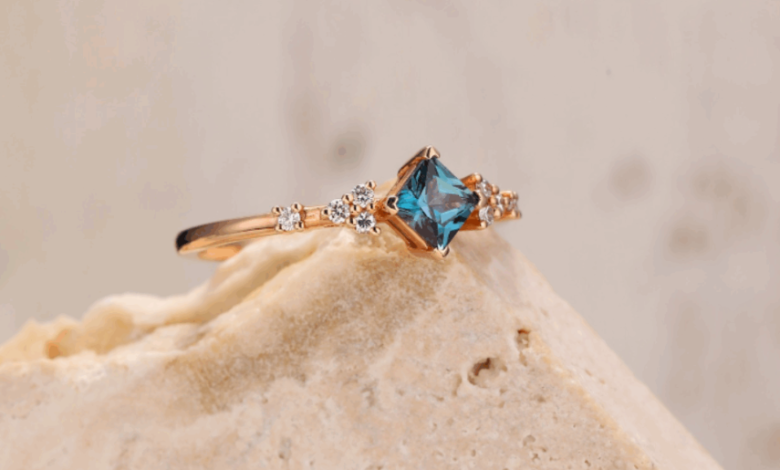
Alexandrite is one of the most fascinating gemstones in the world, admired for its striking color-changing ability and rarity. This extraordinary gemstone can appear green in daylight and red under incandescent light, making it highly sought after for fine jewelry. However, one common question among jewelry enthusiasts is whether alexandrite is durable enough for everyday wear. Both natural and lab grown alexandrite are known for their remarkable hardness and toughness, but understanding their physical properties, potential risks, and best practices is essential before making a purchase.
Understanding Alexandrite’s Hardness
The durability of any gemstone is largely determined by its hardness, which is measured on the Mohs scale. Alexandrite is a variety of chrysoberyl and rates an impressive 8.5 on the Mohs scale, making it one of the harder gemstones available for jewelry. To put this in perspective, sapphire and ruby score 9, while diamond tops the scale at 10. This hardness means alexandrite is highly resistant to scratches from everyday materials like glass or metal, making it suitable for rings, bracelets, and necklaces that experience regular contact.
Both natural and lab grown alexandrite share the same hardness because lab-grown stones replicate the chemical composition and crystal structure of natural gems. The primary difference between the two lies in their origin and availability, not their scratch resistance.
Toughness and Structural Integrity
Hardness is only one aspect of durability; toughness—or a gem’s resistance to breaking, chipping, or cleaving—is equally important for everyday wear. Alexandrite is known for good toughness, which means it can withstand normal wear and tear better than many other gemstones. While it is not completely immune to damage, it is less likely to fracture or chip under routine use compared to softer stones like opal or tanzanite.
Lab-grown alexandrite shares this toughness, as it is created in a controlled environment that allows jewelers to produce clean, flawless crystals. This means that lab-grown alexandrite can sometimes be less prone to internal inclusions, which in natural stones might act as weak points. Consequently, lab-grown alexandrite can be an excellent choice for those who want a gemstone that is both beautiful and resilient.
Everyday Jewelry Applications
When it comes to everyday jewelry, alexandrite is versatile. Rings, earrings, necklaces, and bracelets can all feature this striking gem. Rings, however, tend to be the most exposed to daily wear and therefore require careful consideration.
Because of its hardness, alexandrite rings can handle regular use, including tasks like typing, cooking, or light household chores. That said, it’s still advisable to avoid activities that could expose the gemstone to hard knocks, such as sports, heavy lifting, or gardening. Both natural and lab-grown alexandrite perform well in these settings, but their longevity increases when they are set in protective settings like bezels or channels that minimize exposure to accidental impacts.
Resistance to Chemicals and Heat
Another factor in durability is chemical stability. Alexandrite is relatively resistant to household chemicals, acids, and cleaning solutions, which makes it easier to care for than more delicate gemstones. Exposure to high temperatures should be limited, as sudden thermal shock can damage any gemstone.
Lab-grown alexandrite behaves similarly under these conditions. Because it is chemically identical to natural alexandrite, it does not require special cleaning methods beyond gentle soap, warm water, and a soft brush. Avoiding harsh abrasives and ultrasonic cleaners is recommended for both natural and lab-grown alexandrite to ensure the gemstone maintains its luster and structural integrity over time.
Caring for Alexandrite in Everyday Wear
Even though alexandrite is durable, proper care is essential for prolonging its beauty. Here are some tips:
- Protective Settings: Use protective settings like bezels, which surround the stone and reduce the risk of chipping.
- Regular Cleaning: Clean alexandrite with mild soap and warm water. Avoid harsh chemicals and abrasive cleaners.
- Avoid Impact: Remove rings during high-impact activities such as sports, heavy lifting, or gardening.
- Storage: Store alexandrite separately from other jewelry to prevent scratches. A soft pouch or lined jewelry box works best.
Following these simple steps ensures that both natural and lab-grown alexandrite maintain their durability and color-changing charm for years to come.
See also: Generator Installation & Backup Power: Storm Preparedness Guide
Comparing Natural and Lab-Grown Alexandrite
From a durability perspective, natural and lab-grown alexandrite are virtually identical. Both have the same hardness, toughness, and chemical stability. However, lab-grown alexandrite can offer a few advantages for everyday wear:
- Flawless Quality: Lab-grown alexandrite is often free from inclusions, which means fewer potential weak points.
- Consistent Color Change: Lab-grown stones can provide more predictable and vivid color transitions, enhancing visual appeal.
- Affordability: Because lab-grown alexandrite is less expensive, it allows consumers to choose larger stones or more intricate designs without compromising durability.
Natural alexandrite, while equally tough, carries the benefits of rarity and uniqueness. Each stone has its own pattern of inclusions and color variation, making it a one-of-a-kind gemstone for collectors and enthusiasts.
Conclusion
Alexandrite is indeed durable enough for everyday wear. Its impressive hardness, good toughness, and chemical stability make it suitable for rings, necklaces, earrings, and other jewelry pieces that are worn regularly. Both natural and lab grown alexandrite provide the same physical properties, with lab-grown stones offering additional advantages like flawless clarity, affordability, and consistent color change.
With proper care—protective settings, gentle cleaning, and avoidance of high-impact activities—alexandrite can maintain its stunning color-changing beauty for many years. Whether you choose natural alexandrite for its rarity and individuality or lab-grown alexandrite for its flawless quality and ethical production, this gemstone is a practical and breathtaking choice for everyday jewelry.