“This article explores how pilonidal disease arises from a mix of genetic traits like deep natal clefts and coarse hair and lifestyle triggers like prolonged sitting. It details the progression from a simple pilonidal cyst to an infected pilonidal abscess and treatment.”
A pilonidal cyst is one of those medical issues that people rarely discuss until it becomes an absolute necessity. It is uncomfortable, embarrassing and for those stuck in a cycle of flare ups completely draining. Located at the very top of the buttock crease, this condition can sit dormant for years as a tiny pit or explode overnight into a painful, throbbing pilonidal abscess.
For decades, the medical community debated whether patients were simply born with these cysts or if they earned them through specific habits. The modern consensus suggests a more nuanced reality: it is not a simple choice between nature and nurture. Instead, it is a perfect storm where unique inherited anatomy meets the mechanical friction of modern life.
The Natal Cleft Vacuum
To comprehend this, one must study sacrococcygeal tailbone physics. The birth cleft is a deep depression between the buttocks. A vacuum effect occurs when the two sides of the cleft brush against one other when we walk, sit or shift our weight.
Friction draws loose hair, lint and dead skin into hair follicles in that valley. Once a hair is driven under the skin, the immune system surrounds it with fluid to flush it out like a splinter or foreign invader. That fluid filled sac is cyst. That pocket can trap skin microorganisms, causing an infection that requires pilonidal cyst treatment immediately.
The Genetic Argument: Why Some are Pre Wired
While individuals are not typically born with a fully formed cyst, DNA determines the landscape of the body. Genetics provides the baseline risk factors through three specific inherited traits:
- Hair Morphology: This is arguably the most significant factor. People with thick, coarse or curly hair are at much higher risk. Curly hair naturally tends to bend back toward the skin and coarse hair acts like a needle, making it much easier to puncture a pore and start the inflammatory process
- Cleft Depth: Some families naturally have a deeper, narrower natal cleft. A deep crease creates more heat, traps more moisture and generates significantly more friction. This physical environment is much more likely to trap debris than a shallower anatomical structure
- Follicular Tendencies: Pilonidal illness is linked to severe acne and hidradenitis suppurativa. If you have inherited follicular occlusion, when keratin blocks pores, you are statistically more likely to develop a cyst
The Lifestyle Argument: The Impact of Sitting Culture
If genetics provides the blueprint, lifestyle acts as the architect. During World War II, the condition was so common among soldiers that it was nicknamed Jeep Disease. They spent hours bouncing on hard, vibrating seats, which physically forced hair and fabric fibers into their skin.
In the modern era, the Jeep has been replaced by the ergonomic office chair or the gaming setup. When we sit for eight to ten hours a day, we put constant, static pressure on the coccyx. This pressure stretches the pores open, making it easy for hair to fall in. When we stand, the pores snap shut, trapping the material inside.
Body mass also plays a role. A higher BMI often leads to more skin on skin contact and increased localized sweating. This moisture softens the skin a process known as maceration weakening the skin’s barrier. Once the skin is soft and damp, a stiff hair can poke through the surface with almost no resistance.
When a Bump Becomes a Pilonidal Abscess
Many people have had pilonidal cysts for years without discovering them, only seeing a slight dip or pit around the tailbone. The situation changes quickly when an infection occurs.
A pilonidal abscess is the acute version of the disease. The area becomes red, hot to the touch and incredibly painful, making it difficult to sit or even walk. You may notice drainage that appears bloody or cloudy. At this stage, the infection has often progressed beyond the help of home remedies and usually requires a professional Incision and Drainage procedure to prevent the infection from spreading.
Modern Pilonidal Cyst Treatment
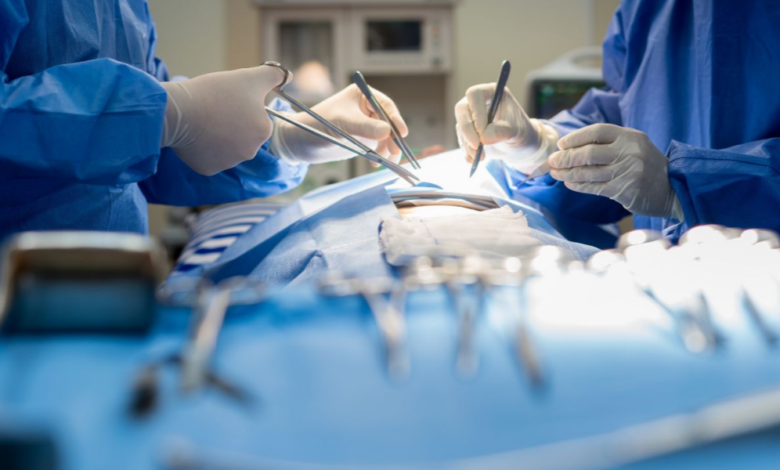
The approach to treating these cysts has evolved significantly. Older methods often involved aggressive surgeries with long recovery times, but Modern specialists now prioritize techniques that address the root cause. If you are feeling nervous about the physical process, you might wonder if it is safe to watch a pilonidal cyst operation video before surgery to help manage your expectations.
- Pit Picking: This is a minimally invasive cleanup where a surgeon clears out hair and debris through the existing tiny holes. It offers a fast recovery but carries a higher risk of recurrence if the hair continues to grow back
- Laser Hair Removal: This is an essential preventative tool. By using a laser to destroy the follicles in the cleft, you effectively remove the fuel that irritates in the first place
- The Cleft Lift: For recurring cases, this is considered the gold standard. A surgeon reshapes the area to make the cleft shallower and moves the surgical scar away from the midline. This removes the vacuum effect entirely, making it nearly impossible for new hairs to become trapped
Practical Risk Management
You cannot alter your DNA, but you can change the environment of your lower back. If you are prone to skin issues or have coarse hair, a few simple adjustments can prevent a surgical emergency:
- Maintain Dryness: Use a blow dryer on a cool setting after showering or switch to moisture wicking athletic fabrics to prevent skin maceration
- Use a Coccyx Cushion: If your job involves prolonged sitting, a U shaped cushion with a cutout for the tailbone can offload pressure from the cleft
- Exfoliation: Gently cleaning the area with a washcloth or a mild salicylic acid wash can help keep pores clear of dead skin cells that might otherwise plug the follicles
Conclusion
Pilonidal illness is a classic case of mismatched anatomy and environment. It is not due to inadequate hygiene or personal failure. Sitting and friction trigger anatomical predisposition in this multifactorial disorder. Understanding these characteristics lets you control the region and get expert care before a little annoyance becomes a serious issue.
Disclaimer
This content is for informational purposes only and does not constitute medical advice. Always seek the guidance of a qualified healthcare professional for the diagnosis and treatment of a pilonidal cyst or pilonidal abscess. Never disregard professional medical advice.