Understanding Benzodiazepine Addiction and the Value of Private Residential Care in Los Angeles

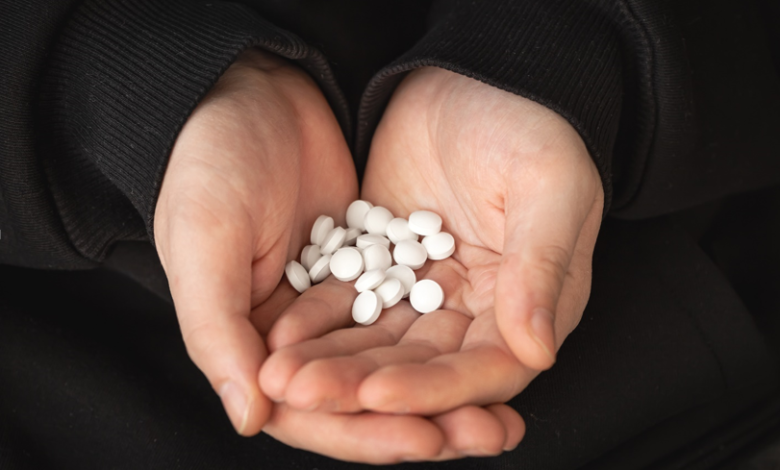
Benzodiazepines are commonly prescribed medications used to treat anxiety, insomnia, seizures, and panic disorders. While they can be effective when used as directed, prolonged use or misuse can lead to dependence. Many individuals do not initially realize how quickly tolerance can develop, requiring higher doses to achieve the same calming effects. Over time, this pattern can evolve into physical and psychological reliance.
Unlike some other substances, benzodiazepine withdrawal can be particularly complex and potentially dangerous. Symptoms may include severe anxiety, insomnia, tremors, heart palpitations, and in some cases, seizures. Because of these risks, professional support is strongly recommended when discontinuing use.
For individuals seeking structured and medically supervised care, Private Residential Benzodiazepine Rehab in Los Angeles offers a safe and supportive starting point. House of Zen recognizes the unique challenges associated with benzodiazepine dependence and emphasizes gradual, clinically supervised tapering in a residential environment designed to promote stability and healing.
Why Benzodiazepine Addiction Requires Specialized Care
Benzodiazepines, including medications such as alprazolam, lorazepam, and diazepam, alter brain chemistry by enhancing the effects of gamma-aminobutyric acid (GABA), a neurotransmitter that slows nervous system activity. Over time, the brain adapts to this increased suppression, making it difficult to function normally without the medication.
Abrupt discontinuation can trigger intense rebound anxiety and other serious complications. Because of these risks, recovery must be approached carefully. House of Zen supports medically monitored tapering schedules that prioritize safety while reducing discomfort.
Specialized care ensures that withdrawal symptoms are managed responsibly and that clients receive emotional support throughout the process.
The Role of Residential Treatment in Recovery
Residential treatment provides a structured environment where individuals can focus entirely on healing. Living on-site removes external stressors and limits exposure to triggers that may lead to relapse.
In a residential setting, clients receive round-the-clock supervision and access to therapeutic services. This level of support is particularly important for benzodiazepine dependence, where symptoms can fluctuate unpredictably.
House of Zen offers a private residential atmosphere designed to foster calm and reassurance. Their approach centers on individualized care plans that reflect each client’s medical history and emotional needs.
Medical Detox and Gradual Tapering
The first phase of benzodiazepine treatment often involves a carefully managed tapering process. Gradual dose reductions allow the brain to adjust slowly, minimizing withdrawal severity.
Medical professionals monitor vital signs, sleep patterns, mood changes, and neurological symptoms throughout this period. Supportive therapies may be introduced early to help clients manage anxiety and restlessness.
House of Zen emphasizes clinical oversight and compassionate monitoring to ensure that detox remains as safe and comfortable as possible.
Addressing Underlying Anxiety and Mental Health Conditions
Many individuals who develop benzodiazepine dependence initially begin using the medication to manage legitimate mental health concerns. Anxiety disorders, panic attacks, insomnia, and trauma-related conditions often coexist with substance dependence.
Effective recovery must address these underlying conditions. Evidence-based therapies such as Cognitive Behavioural Therapy (CBT) and Dialectical Behaviour Therapy (DBT) help clients identify triggers, challenge distorted thinking patterns, and build healthier coping mechanisms.
House of Zen integrates dual-diagnosis treatment into their programs, recognizing that untreated mental health conditions can increase relapse risk.
The Importance of Environment in Healing
Healing is influenced by surroundings. Stressful or chaotic environments can intensify anxiety, making recovery more difficult. In contrast, peaceful residential settings encourage emotional regulation and reflection.
Private accommodations, calming interiors, and access to outdoor spaces create a therapeutic atmosphere that supports stability. House of Zen prioritizes creating environments that reduce external pressures and promote clarity.
This calm setting allows clients to focus on therapy and self-discovery without distractions.
See also: The Impact of Pest Infestations on Workplace Health and Employee Productivity
Holistic Approaches to Anxiety Management
Since anxiety often plays a central role in benzodiazepine dependence, holistic therapies can provide valuable alternatives to medication reliance.
Common holistic approaches include:
- Guided meditation
- Breathwork exercises
- Yoga and gentle movement
- Nutritional support
- Sleep hygiene education
These practices help regulate the nervous system naturally. House of Zen incorporates wellness-oriented programming to strengthen emotional resilience and reduce dependency on external substances.
Rebuilding Life Skills and Confidence
Addiction can disrupt routines, relationships, and professional goals. Residential treatment offers a structured setting where individuals can begin rebuilding essential life skills.
Clients may work on:
- Time management
- Stress reduction strategies
- Communication skills
- Healthy boundary setting
- Career planning
House of Zen emphasizes personal growth as a central element of recovery. Confidence gradually returns as individuals regain control over daily responsibilities.
Transitioning to Continued Care
Completing residential treatment is a significant achievement, but recovery does not end at discharge. Continued therapy, outpatient programs, or structured sober living may be recommended based on individual needs.
For those exploring options for Rehab Los Angeles, comprehensive aftercare planning is a critical component. Transitional support reduces relapse risk and reinforces the skills learned during residential care.
House of Zen supports structured discharge planning that connects clients with ongoing resources and community support.
Family Involvement and Relationship Repair
Benzodiazepine dependence often impacts family dynamics. Loved ones may struggle to understand the nature of prescription medication addiction, leading to confusion or strained communication.
Educational sessions and family therapy can help rebuild trust and improve communication. House of Zen recognizes the importance of family engagement when appropriate, encouraging supportive involvement throughout the recovery process.
Healing relationships strengthens emotional stability and creates a reliable support system.
Long-Term Recovery and Relapse Prevention
Relapse prevention planning is a vital part of benzodiazepine recovery. Identifying triggers, establishing healthy routines, and maintaining regular therapy sessions contribute to sustained sobriety.
Ongoing support groups and alumni networks can reinforce accountability and connection. House of Zen highlights the value of continued engagement in recovery-focused communities.
Long-term success depends on consistency, self-awareness, and access to supportive resources.
A Safe Path Toward Renewal
Benzodiazepine addiction can feel isolating and overwhelming, particularly when the medication was originally prescribed for legitimate health concerns. However, recovery is achievable with professional guidance and a structured environment.
Private residential treatment provides medical oversight, therapeutic support, and emotional stability during one of the most vulnerable periods of healing. House of Zen embodies a recovery philosophy centered on safety, personalization, and compassionate care.
Through gradual tapering, integrated therapy, and holistic wellness practices, individuals can regain clarity and rebuild their lives with renewed confidence. With the right environment and continued support, recovery becomes not only possible but sustainable.
Healing begins with the decision to seek help. From that point forward, structured care and thoughtful guidance can transform uncertainty into strength and long-term stability.