Buying a foldable solar panel can feel overwhelming, especially with so many models promising high efficiency, portability, and durability. Whether you’re planning camping trips, RV travel, or preparing for emergency backup power, choosing the right panel makes a real difference in daily usability. Not all foldable solar panels are created equal, and the best option depends on how you plan to use them. Before making a purchase, it’s worth understanding the key features that separate a reliable solar panel from a disappointing one.
Essential Features to Consider When Buying Foldable Solar Panels
To make an informed decision, focus on the features that directly impact performance, convenience, and long-term value.
Power Output and Wattage
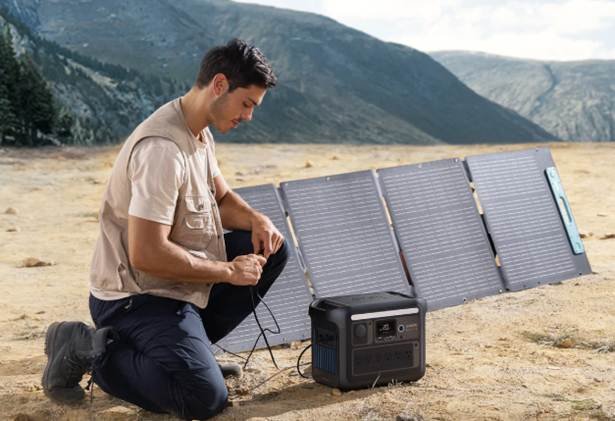
Wattage determines how much electricity a foldable solar panel can generate. Lower-wattage panels (around 30W–100W) are ideal for charging phones, tablets, and small electronics, while higher-wattage panels (200W–400W) are better for portable power stations and larger devices. For example, Anker SOLIX foldable solar panels are available in a wide range of outputs, allowing users to match panel size to their specific outdoor or backup power needs. Choosing the right wattage prevents slow charging or unnecessary bulk.
Solar Cell Efficiency
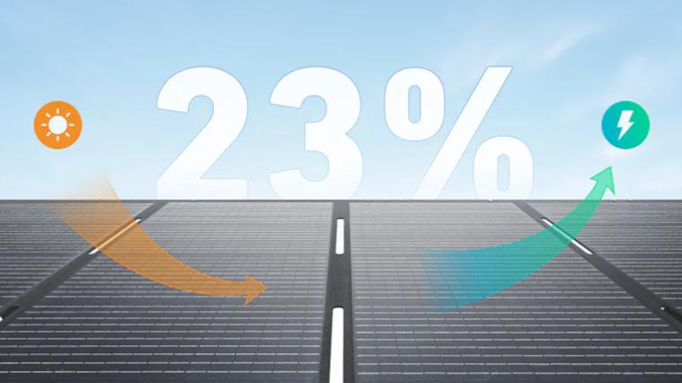
Efficiency affects how much usable power you get from available sunlight. Most high-quality folding solar panels use monocrystalline solar cells, which offer higher conversion rates than other cell types. Panels with efficiency ratings up to 23% can generate more power in limited spaces and perform better in partial sunlight. This is especially important for outdoor use, where sunlight conditions change throughout the day.
Portability and Folded Size
One of the main reasons people choose foldable solar panels is portability. Check both the folded dimensions and weight before buying. A panel that folds compactly and includes carrying handles or cases is easier to transport and store. Lightweight designs are particularly valuable for campers and travelers who move frequently. Balancing portability with power output is key to finding a panel that fits your lifestyle.
See also: global tech performance review
Adjustable Stands and Angle Options
Panels that include built-in kickstands with multiple angle settings offer better real-world performance. Adjustable angles from 30° to 80° allow you to position the panel toward the sun for maximum energy absorption. This feature can significantly increase daily power generation compared to panels that lie flat on the ground.
Durability and Weather Resistance
Outdoor environments can be unpredictable, so durability matters. Look for foldable solar panels with weather-resistant or waterproof ratings such as IP65 or IP67. These ratings indicate protection against rain, splashes, and dust. Durable surface materials like ETFE coatings also help resist scratches and wear, extending the panel’s lifespan during repeated outdoor use.
Connector Types and Compatibility
Connection options determine how easily a solar panel integrates into your setup. MC4 connectors are widely used for their stability and low energy loss, especially when charging portable power stations. Some foldable solar panels also include adapters for XT-60 or DC connectors, increasing compatibility across devices. Anker SOLIX panels, for example, are designed to work seamlessly with Anker power stations while still offering flexible connection options.
Direct Charging vs. Power Station Use
Some foldable solar panels include USB-A or USB-C ports for direct device charging, which is convenient for lightweight trips. Others are designed primarily to charge power stations. Knowing whether you need direct charging, energy storage, or both will help narrow down the best option for your use case.
Build Quality and Warranty Support
Finally, consider overall build quality and brand support. A solid warranty and responsive customer service add peace of mind, especially for higher-wattage investments. Established brands often provide clearer specifications and better long-term reliability.
Conclusion
Choosing the right foldable solar panel comes down to understanding how its features align with your power needs and lifestyle. Key factors like wattage, efficiency, portability, durability, and connector compatibility all play a role in real-world performance. By carefully evaluating these features before buying, you can avoid common pitfalls and invest in a panel that delivers reliable, renewable energy wherever you go.