Disclaimer: Avoid getting scammed when house-hunting by using smart strategies. Don’t let realtors fool you. It is just a word of caution before you dive into your home search expedition.
Hold up, Sherlock! If you are a future homeowner, buying a home can feel like falling in love. Until the honeymoon phase ends and you realize that your so-called dream home is a money pit in disguise.
Sellers are really good at making everything look fantastic. They’ll show you gleaming hardwood floors, a kitchen perfect for your family size, and a backyard for endless weekend BBQs. They let you see everything through rose tinted lens, and you get distracted by its aesthetics. What if fresh paint hides multiple sins like a leaky roof, or strategic lighting makes a dungeon feel like a sunroom, or there are multiple wiring issues? You never know.
But, you’re smarter! You have to channel your inner home inspector to dodge future headaches. This article will give you the details of what you should be inspecting before signing the deal. So, now let’s separate catastrophic regrets from solid investments!
The House’s First Line of Defence: The Exterior
You can judge a home by its cover, as looks can be deceiving. If the curb appeal is lying to you, the inside of the house will probably be too. It is because the exterior tells you how well or poorly the house has been maintained.
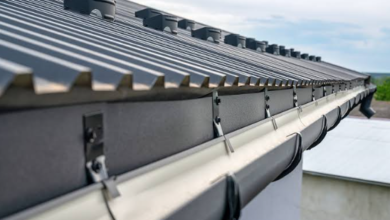
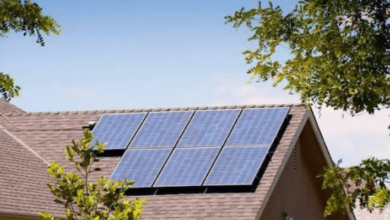
The first thing you need to check is the roof. Look for missing, curled, or cracked shingles. Also, see if there are any sagging areas or moss or algae growing. Inspect chimneys and vents, as loose stuff means leakage. Next, walk around the entire house to look for cracks. If you spot any giant zig-zag cracks, it means there are foundation issues.
Moreover, windows and doors matter as well. Look for any gaps, cracks, or frames that look like they are held together by glue. It is also bad news if you find peeling paint, warped siding, or cracking caulk. Also, check windows for fog between panes, as it indicates failed seals.
Lastly, eyeball, if the water pools near the foundation, or if the gutters are clogged or missing. This inspection is necessary because water is the home’s worst enemy. Poor drainage can cause basement flooding and moisture damage. The best bet is to invest in a property by reliable names, as this will ensure that the exterior as well as the interior has been paid attention to. For example, if you live in Pakistan, considering a property by top-rated builders in Karachi is crucial, as they have decades of combined experience in commercial and residential projects.
The Skin of the House: The Interior
Now the real test is to go inside and use your brain instead of the heart-eye emoji. Start with the floors and walk around. Look for cracks, bulging, or watermarks. Also, check for warping or if the baseboards are pulling away. Oh, and if you get trampoline vibes, that is structural damage.
Next, look for cracks, weird discoloration, and water damage on the walls. Most people just paint the walls to conceal all the imperfections. Therefore, touch the walls to double-check for bumps, moisture, and texture changes. Besides walls, check ceilings for water stains, sagging sections, or weird patches, as they signify expensive roof issues.
In addition, open every single door and window to see if they open and close without making horrifying sounds. Windows that don’t open are fire hazards, while doors that don’t close properly create energy-efficiency disasters and privacy problems. Don’t be surprised if you find any issues, because according to recent stats, 55% inspections find door and window issues with an average repair cost of about $254.
Moreover, get nosy in the kitchen, bathrooms, basement, and attic. Turn on all the faucets to check the water pressure, and also flush the toilets. Look under the sinks for leakage, rust, or a weird smell. For attic and basements, check for pests, mold, water stains, ventilation, and sagging beams.
Where the Real Money Hides: Plumbing, Electrical, and HVAC
These are the critical trinity of homeownership, as these systems either quietly do their job or bankrupt you faster. So you don’t want any surprises.
That’s why you flush all the toilets at home, run the shower, and turn on every single faucet to look for weird noises, leakage, and weak water pressure. Truehold mentions that there are no innocent little drips; one leaky faucet can turn into an $11,600 nightmare. Also, look for water stains on walls and ceilings, and ask about the water pipes too. If ancient galvanized steel pipes are installed, you’re doomed.
Next, pop open the electrical panel and check the wiring. Test every outlet, and look for flickering lights. You can also ask when the last time the system was updated, because an outdated electrical system is a literal fire hazard.
The AC and heating system are the heart and lungs of the house. You can ask when it was last serviced and demand maintenance records. Moreover, turn it on to check if it sounds okay, or like a dying walrus. Also, check the air filters to see if they are dusty or not. It is important to check the HVAC condition upfront, and it should be non-negotiable because the whole new system costs around $5K to $15K.
See also: Digital Marketing Trends for Australian Businesses
Bonus Nightmares and the Invisible Villains
When checking out a property, you need to investigate the dark, damp corners where the nightmare lives, i.e., mold, pests, and radon.
Mold is an unwanted roommate and a health hazard. If you smell something musty or see black, suspicious spots on the walls, that’s mold. Check bathrooms and basements, or anywhere where water likes to party.
Moreover, radon is a colorless, odorless gas, but a real threat that can cause serious health issues. You can’t see, smell, or taste it, which makes it terrifying. That’s why it is crucial to get a radon test done. Pests, on the other hand, are unwanted tenants. Look for the warning signs, like droppings, chewed wires, hollow-sounding wood, tiny holes in the wall, or a smell that something has died.
Ending Note
Walking through a house with a checklist makes you feel like a legit detective, and with that, you can catch the obvious red flags. Moreover, be thorough, ask questions, and never, ever skip the inspection. Your wallet will thank you later for that!